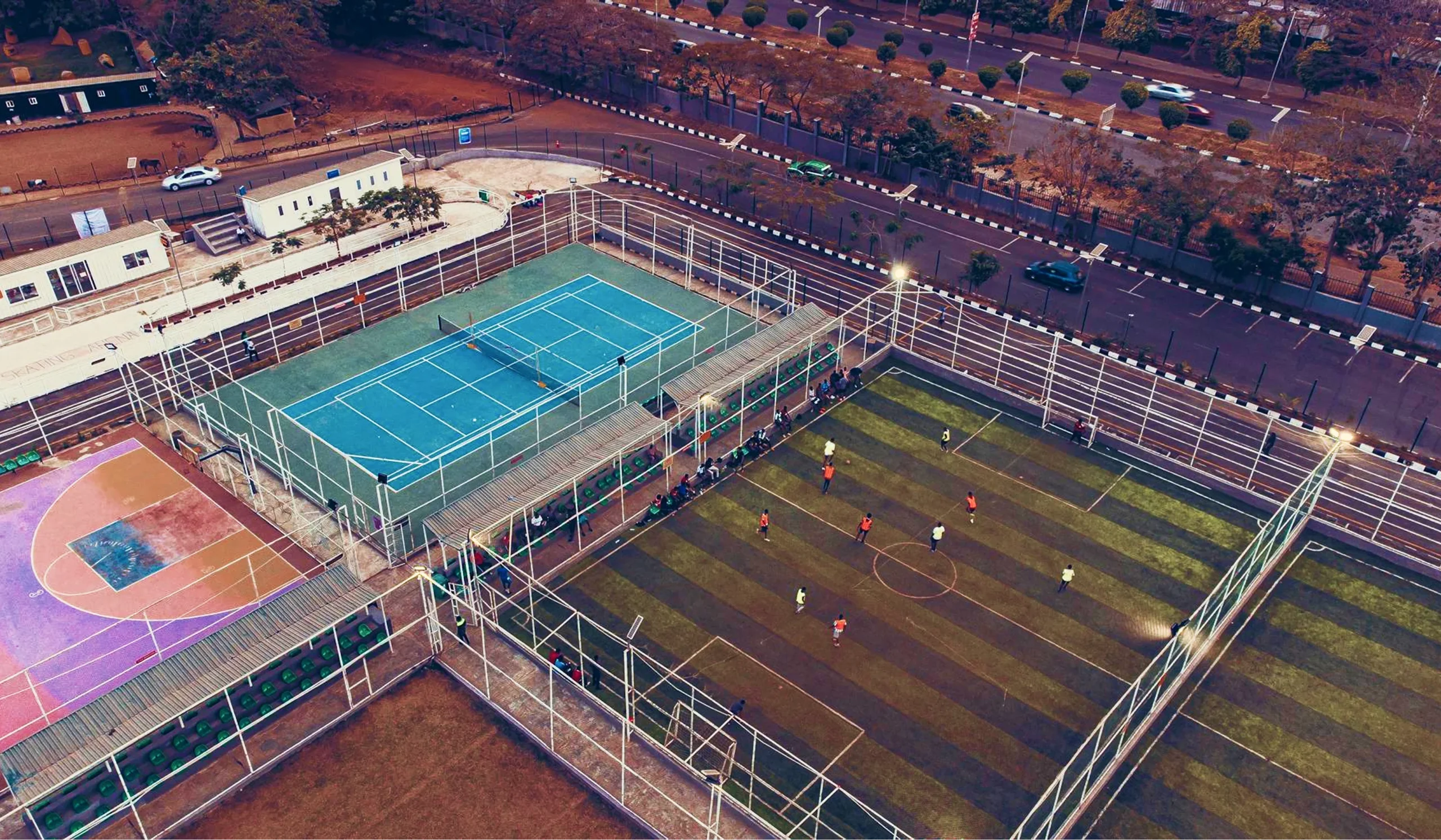


The gap between functional sports facilities and transformative ones has never been wider. Across India, schools and institutions are investing in sports infrastructure — but too many are building facilities that check a box without creating genuine value.
World-class sports infrastructure isn’t just about surface materials or court dimensions. It’s about designing facilities that serve their communities for decades — facilities that are safe, durable, well-maintained, and genuinely used.
At GSSM, we’ve seen the difference firsthand. A well-designed facility changes how students engage with sport. A poorly designed one becomes a maintenance burden within two years. The difference comes down to three principles:
First, design for use, not for appearance. A facility that looks impressive in photos but doesn’t account for drainage, lighting, or multi-sport flexibility will underperform. Every design decision should start with the question: how will this space actually be used?
Second, build for longevity. The cheapest surface material saves money today and costs three times as much in replacements within five years. Investing in certified, durable materials from the outset is always more cost-effective than remedial work.
Third, plan for maintenance from day one. No facility maintains itself. The best infrastructure projects include a maintenance programme as part of the handover — not as an afterthought when things start to deteriorate.
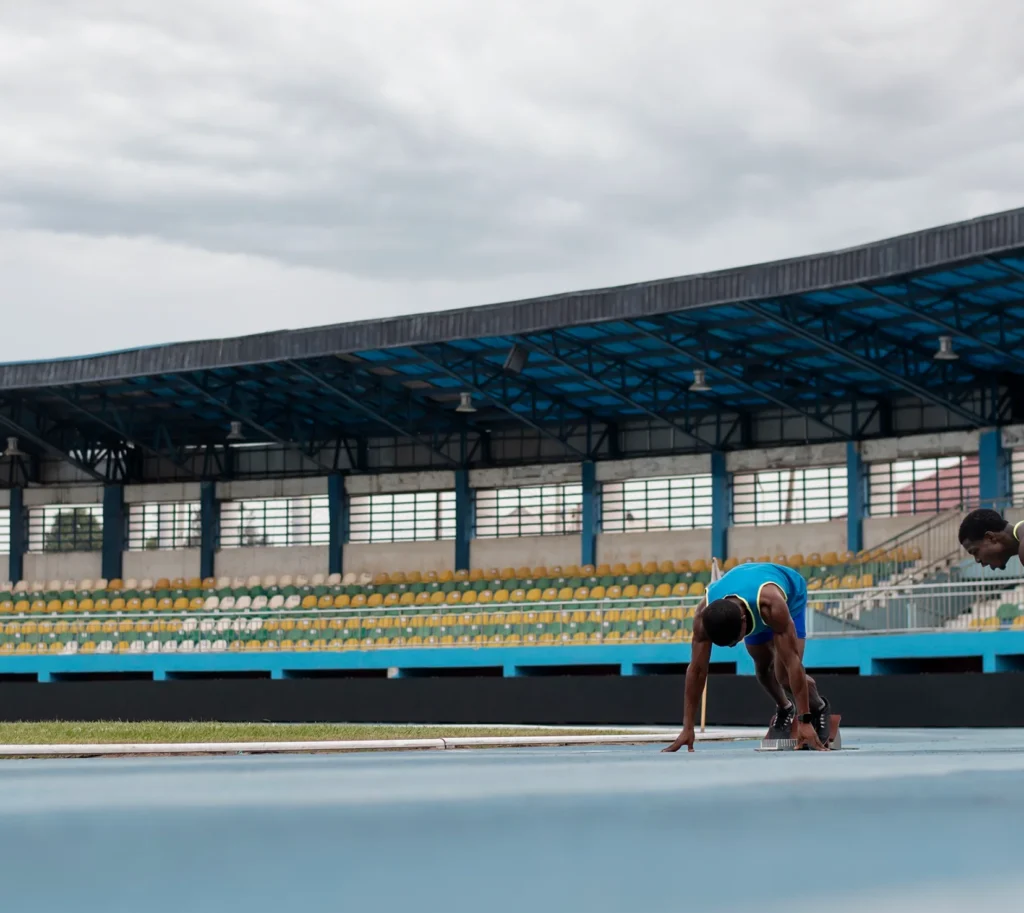
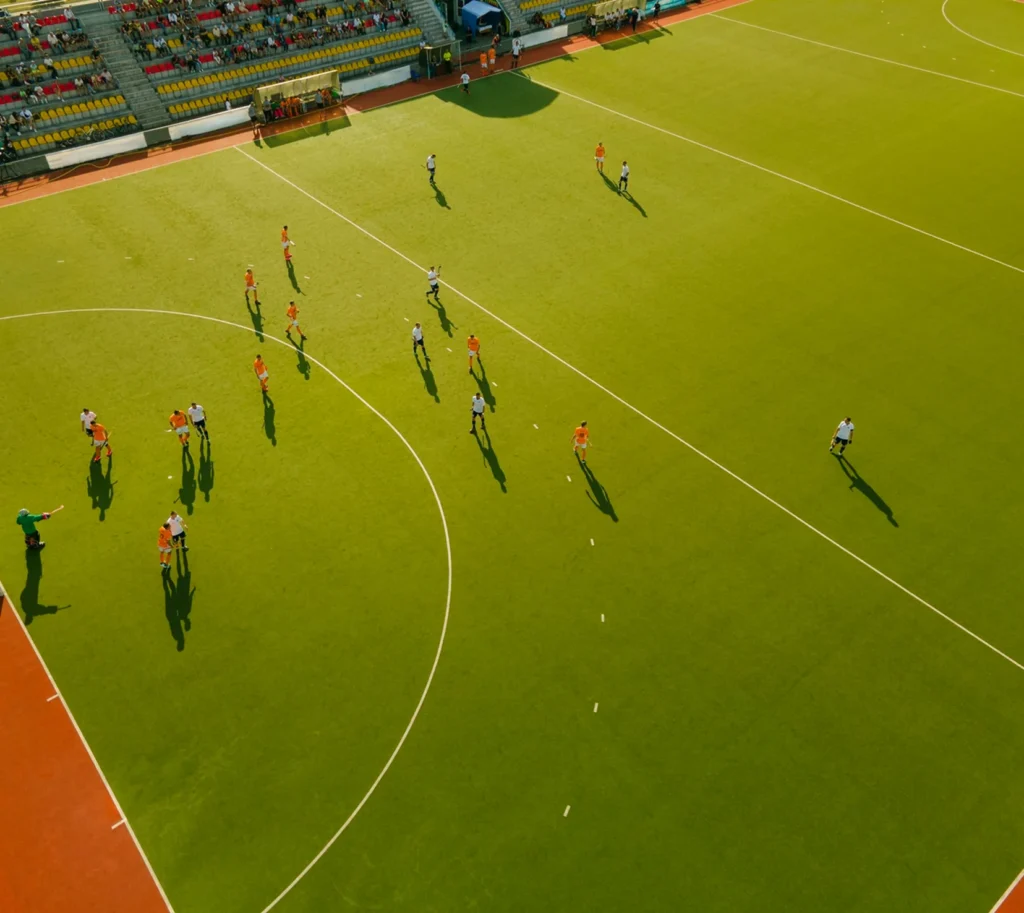
The institutions getting this right are the ones treating sports infrastructure as a long-term investment in their community — not a line item on a construction budget. And the gap between those institutions and everyone else is only going to grow.